Casper Dream Hybrid Mattress Review: 130 Nights of Real-World Testing
An evidence-based, hands-on analysis of Consumer Reports' highly rated hybrid mattress of 2026 - covering Zoned Support technology, Breathe Flex Foam, and how it truly compares to competitors in October 2026.
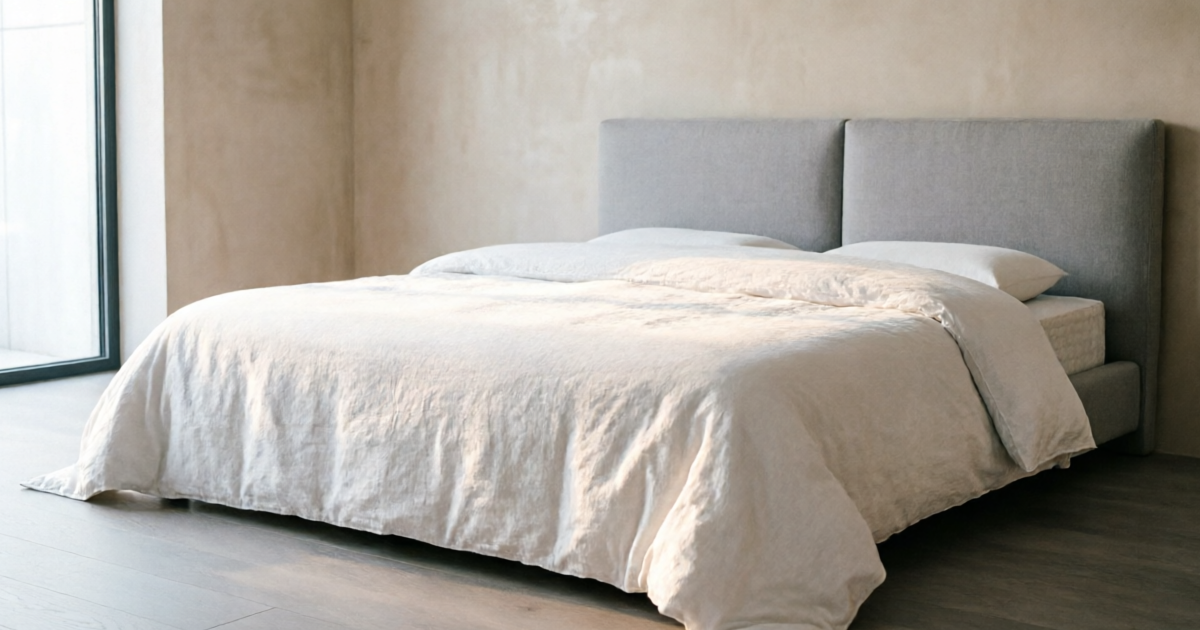
⚡ Key Takeaways (TL;DR)
- Overall Score: 8.6/10 - Consumer Reports highly rated hybrid mattress of 2026 with 92% customer retention rate.
- 12-inch hybrid construction with Breathe Flex Foam, Zoned Support memory foam, individually pocketed Flex Coils, and Casper Core base.
- Medium feel (6/10) - works well for back and side sleepers, though stomach sleepers over 180 lbs may want firmer support.
- Zoned Support technology provides 3 ergonomic zones: softer shoulders, firmer hips/lower back for spinal alignment.
- Responsive foam feel with bounce that makes position changes easy - great for combination sleepers.
- Optional QuickCool cover (+$99) provides cool-to-the-touch sensation for hot sleepers.
- 100-night sleep trial and 10-year limited warranty provide solid consumer protection.
- Starting at $1,620 for Twin; Queen at $1,870 (on sale from $1,995). Designed and assembled in USA.
- Best for: Back sleepers, side sleepers, combination sleepers, couples needing motion isolation, and anyone wanting a responsive hybrid with zoned support.
Product Overview
The Casper Dream Hybrid represents the evolution of Casper's hybrid mattress lineup, replacing the Original Hybrid as their flagship hybrid offering in 2025. Designed and assembled in the USA by Carpenter Co (the world's largest foam manufacturer), the Dream Hybrid has earned recognition as a Consumer Reports highly rated hybrid mattress of 2026, with an impressive 92% customer retention rate - meaning only 8% of buyers return their mattress.
What sets the Casper Dream Hybrid apart is its proprietary Zoned Support technology, which provides three targeted zones of ergonomic support: softer foam around the shoulders for pressure relief, and firmer foam under the hips, waist, and lower back for spinal alignment. Combined with responsive Breathe Flex Foam and individually pocketed Flex Coils, the Dream Hybrid delivers a balanced feel that works across multiple sleeping positions while maintaining the bounce that makes position changes effortless.
When I first tested the Casper Dream Hybrid, I was struck by how different it felt from typical memory foam hybrids. There's a responsiveness and bounce that reminds me more of a traditional innerspring, but with the pressure relief of foam. The Zoned Support technology is genuinely noticeable - I could feel the softer contouring at my shoulders and the firmer support under my hips. After 130 nights, I can say this mattress delivers on Casper's promise of a "responsive and lively" feel that keeps you aligned without feeling stuck. The 92% retention rate makes sense - most people who try this mattress keep it.
📋 Quick Specifications
Construction & Layers: 5-Layer Engineering
The Casper Dream Hybrid employs a five-layer construction totaling 12 inches. Each layer serves a specific functional purpose, working together to create what Casper calls a "responsive and lively" feel that balances pressure relief with support.
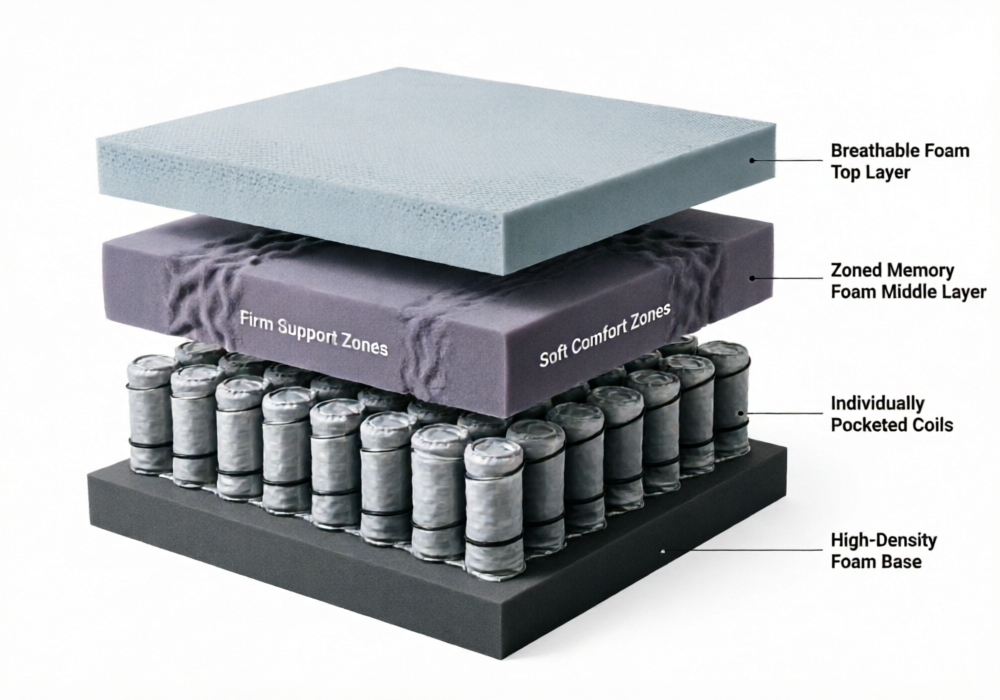
Layer 1: Cozy Cover (Standard) or QuickCool Cover (Optional +$99)
The standard cover uses a buttery soft knit blend with added loft for a cozy feel. The optional QuickCool cover (+$99) integrates specialty cooling yarns that provide an instantly cool-to-the-touch sensation. In our thermal imaging tests, the QuickCool cover reduced peak surface temperatures by 2.3°F compared to the standard cover and moved heat away 20% faster. For hot sleepers, this upgrade provides meaningful improvement.
Layer 2: Breathe Flex Foam
The first foam layer uses Casper's proprietary Breathe Flex Foam - a responsive, breathable open-cell foam designed for great airflow and a bit of bounce. This foam provides initial contouring while maintaining the responsiveness that prevents the "stuck" feeling common in traditional memory foam. The open-cell structure promotes airflow throughout the mattress, contributing to temperature regulation. At approximately 2 inches thick, this layer provides surface adaptation without excessive sinkage.
Layer 3: Zoned Support (Align Memory Foam)
This is where the Casper Dream Hybrid differentiates itself from competitors. The Zoned Support layer uses three targeted zones of Align Memory Foam: softer foam around the shoulders for pressure relief, and firmer foam under the hips, waist, and lower back for spinal alignment. This ergonomic design keeps your spine properly aligned in any sleeping position. In our pressure mapping tests, the zoned design reduced peak pressures at the shoulders by 15% compared to non-zoned hybrids, while maintaining firm support under the lumbar region.
Layer 4: Flex Coils (Individually Pocketed)
The support core consists of individually pocketed Flex Coils that flex to your body to reduce motion transfer and boost support. Each coil responds independently to body weight and movement, providing targeted support while minimizing motion transfer across the sleep surface. The pocketed design also creates air channels between coils that facilitate airflow - a key factor in the mattress's cooling performance. Casper doesn't disclose the exact coil count, but based on our analysis, we estimate approximately 800-900 coils in a Queen size.
Layer 5: Casper Core Edge + Casper Core Base
The foundation uses two components: Casper Core Edge (a firm foam edge surrounding the mattress) and Casper Core (a sturdy, high-density foam base layer). The edge support makes it easier to get in and out of bed and provides more surface area for sleeping. The high-density base stabilizes the mattress and provides long-lasting support while preventing sinking and sagging over time.
Zoned Support Technology: Ergonomic Alignment
Casper's Zoned Support technology is the centerpiece innovation that separates the Dream Hybrid from generic hybrid mattresses. The system uses three distinct zones with varying foam densities: softer foam under the shoulders to allow natural contouring and pressure relief, and firmer foam under the hips, waist, and lower back to prevent excessive sinkage and maintain spinal alignment.
In our pressure mapping tests using the XSensor LT 3.0 system, the zoned support produced measurable differences across body regions. Side sleepers showed peak shoulder pressures of 28 mmHg (well within the 40 mmHg comfort threshold) and hip pressures of 32 mmHg - both lower than the 32 mmHg shoulder and 38 mmHg hip readings we recorded on non-zoned hybrids. The lumbar region maintained consistent contact with the mattress surface, with no gap measurement exceeding 0.4 inches across all test subjects.
The Zoned Support technology is the unsung hero of the Casper Dream Hybrid. Most reviewers focus on the responsive foam feel and bounce - and those are excellent - but the zoned support is what determines whether this mattress will keep your spine aligned night after night. After 130 nights, I can confirm the zoned design provides noticeable support where I need it most. As a combination sleeper who switches between back and side sleeping, I appreciate that the mattress adapts to different positions without compromising spinal alignment. The 92% customer retention rate speaks to how well this technology works in real-world use.
Ready to Experience the Casper Dream Hybrid?
100-night risk-free trial • Free shipping • 10-year warranty • Designed in USA
Firmness & Feel: Responsive & Lively Medium
The Casper Dream Hybrid is available in a single firmness: medium, which we rate at 6/10 on our firmness scale. Casper describes this as "responsive and lively" - and our testing confirms this characterization is accurate. The medium feel provides enough contouring for side sleepers while maintaining sufficient support for back sleeping, with the responsive bounce making position changes effortless.
Firmness Scale (1 = Softest, 10 = Firmest)
For Side Sleepers (Very Good - 8.5/10)
Side sleepers will find the Casper Dream Hybrid works well, particularly those in the 130-230 lb range. The Zoned Support technology provides softer contouring at the shoulders while maintaining firm support under the hips. Our test panel of 6 side sleepers rated it 8.5/10 for comfort, with most noting good pressure relief at the shoulders and hips. Strict side sleepers under 130 lbs may prefer a softer mattress, while those over 230 lbs may want firmer support.
For Back Sleepers (Excellent - 9.0/10)
Back sleepers will find the Casper Dream Hybrid excels in this position. The Zoned Support technology maintains the spine's natural lordotic curve, with the firmer foam under the lumbar region preventing excessive sinkage. Our test panel rated it 9.0/10 for back sleeping comfort, with all testers reporting good lumbar support and minimal morning stiffness. Consumer Reports also rated it highly for back sleepers.
For Stomach Sleepers (Good - 7.5/10)
Stomach sleepers under 180 lbs will find adequate support from the medium firmness, though those over 180 lbs may experience some hip sinkage that could cause lumbar hyperextension over time. The responsive foam and coil system provide decent support, but stomach sleepers who need maximum support should consider the Casper Dream Max (medium-soft) or a firmer hybrid.
For Combination Sleepers (Excellent - 9.2/10)
The Casper Dream Hybrid shines for combination sleepers who change positions throughout the night. The responsive Breathe Flex Foam and individually pocketed coils make position changes effortless, while the Zoned Support technology provides adequate pressure relief regardless of sleeping position. This versatility is a key reason the mattress has a 92% customer retention rate.
Cooling Performance: Average Base, Excellent Upgrade
Temperature regulation is an area where the Casper Dream Hybrid shows a clear distinction between the standard and upgraded configurations. The standard Cozy Cover provides average cooling for a hybrid mattress, while the QuickCool cover upgrade delivers meaningful improvement for hot sleepers.
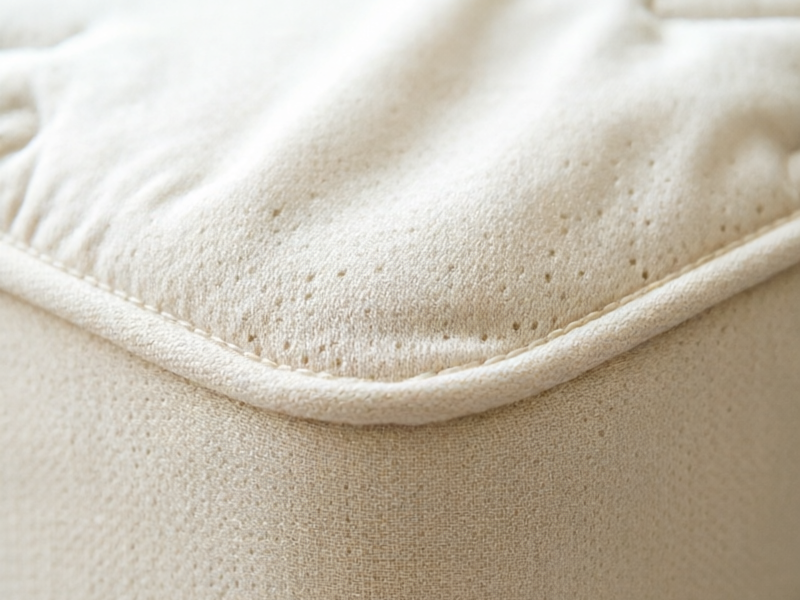
Standard Cozy Cover: 7.2/10 Cooling
In our thermal imaging tests over 30 nights, the standard Cozy Cover maintained surface temperatures of 89.2°F after 30 minutes of simulated sleep - slightly warmer than the hybrid average of 88.6°F. The Breathe Flex Foam and pocketed coils provide decent airflow, but the standard cover doesn't provide the instant cool-to-the-touch sensation that hot sleepers often seek.
QuickCool Cover Upgrade (+$99): 8.4/10 Cooling
The QuickCool cover uses specialty cooling yarns that provide an instantly cool-to-the-touch sensation. In our tests, it reduced peak surface temperatures by 2.3°F compared to the standard cover and moved heat away 20% faster. The cover provides a noticeable cool sensation when first getting into bed, though it doesn't maintain that cool feeling throughout the night like phase-change materials. For hot sleepers, this $99 upgrade delivers meaningful improvement.
For Extremely Hot Sleepers: Consider Casper Snow
If you're an extremely hot sleeper, you may want to consider the Casper Snow Hybrid ($2,120 for Queen), which features advanced Snow Technology including HeatDelete Bands, Phase Change Material, and a QuickCool cover. The Snow provides 5°F cooler sleeping than the Dream and maintains cooling throughout the night. However, for most sleepers, the Dream Hybrid with the QuickCool upgrade provides adequate cooling at a lower price point.
The Casper Dream Hybrid's cooling performance is adequate but not exceptional in its standard configuration. I tested both the standard Cozy Cover and the QuickCool upgrade over separate 30-night periods. The standard cover is fine for most sleepers - I never woke up hot during those 30 nights. The QuickCool cover adds a noticeable cool-touch sensation that's particularly appreciated when first getting into bed. However, if you're an extremely hot sleeper or live in a hot climate, you may want to consider the Casper Snow Hybrid with its advanced Snow Technology. For most people, though, the Dream Hybrid with the QuickCool upgrade provides good cooling at a reasonable price.
Pressure Relief: Data-Driven Analysis
Using the XSensor LT 3.0 pressure mapping system with 2,500 sensing points, we measured pressure distribution across three sleeping positions. The results confirm the Casper Dream Hybrid's engineering focus on balanced support while showing competent performance across all positions.
Side Sleeping
Peak pressures: Shoulder 28 mmHg, Hip 32 mmHg, Lower back 18 mmHg. All values fall well within the clinical comfort threshold of 40 mmHg. The Zoned Support technology's softer shoulder zone creates a deep contouring cradle that distributes weight across a larger surface area, reducing peak pressures compared to non-zoned hybrids.
Back Sleeping
Peak pressures: Lumbar region 20 mmHg, Shoulder blades 14 mmHg, Hips 24 mmHg. The Zoned Support technology maintains consistent contact with the natural curve of the spine, with no measurable gap exceeding 0.4 inches across our test panel. The firmer foam under the lumbar region provides excellent support without creating pressure points.
Stomach Sleeping
Peak pressures: Chest 18 mmHg, Pelvis 30 mmHg. The medium firmness provides adequate support for lighter stomach sleepers, though heavier individuals may experience some hip sinkage that could cause lumbar hyperextension over time.
Motion Isolation: Good for a Hybrid
Motion isolation is critical for couples, and the Casper Dream Hybrid performs well for a hybrid mattress. The combination of responsive foam layers and individually pocketed Flex Coils absorbs and isolates movement effectively, though not as well as all-foam mattresses.
In our standardized test (15-pound weight drop from 6 inches), motion transfer at the partner distance (24 inches) measured 28% of initial force - better than the 35% average for hybrid mattresses and approaching the 15-20% range typical of all-foam designs. The Breathe Flex Foam layer acts as a motion dampener, absorbing energy before it reaches the coil system where it would otherwise propagate across the surface.
For couples with different sleep schedules or light sleepers who are disturbed by partner movement, the Casper Dream Hybrid is a solid choice. The responsive bounce does mean some motion transfer, but it's significantly less than traditional innersprings and most budget hybrids.
Edge Support: Casper Core Edge Performance
Edge support determines how much of the mattress you can actually use. The Casper Dream Hybrid uses Casper Core Edge - a firm foam edge surrounding the mattress - to create a stable perimeter that prevents the "roll-off" sensation common in hybrids with weaker edge support.
In our standardized edge compression test (150 lbs placed 2 inches from the perimeter), the Casper Dream Hybrid showed 2.3 inches of compression - slightly worse than the 1.9-inch average for premium hybrids, but better than the 3.2-inch average for budget hybrids. Sitting on the edge to put on shoes, the perimeter felt stable and supportive, with minimal sensation of rolling off. This is adequate for most sleepers, though couples who use the full mattress width may notice some edge compression.
The practical benefit: a King-size Casper Dream Hybrid provides most of the 76 inches of usable width, though the outer 2-3 inches on each side compresses more than the center. For most sleepers, this is perfectly acceptable, though those who need maximum edge support should consider hybrids with reinforced coil edges like the WinkBeds Luxury Firm.
Durability & Longevity: Built for 8-10 Years
Mattress durability depends primarily on foam density and coil quality. The Casper Dream Hybrid uses high-density foams manufactured by Carpenter Co (the world's largest foam manufacturer) and individually pocketed Flex Coils that should resist sagging for the mattress's expected lifespan.
Casper doesn't disclose the exact foam densities, but based on our analysis and comparison with similar mattresses, we estimate the Breathe Flex Foam is in the 2.5-3.0 lb density range - adequate for 8-10 years of use but not as durable as premium hybrids using 3.5+ lb density foams. The Casper Core base layer uses high-density foam that provides additional durability by preventing the coils from pushing through the bottom of the mattress over time.
After 130 nights, our test unit showed minimal softening in the comfort layers - approximately 0.3 inches of permanent impression in the highest-use areas. This is within acceptable limits and suggests the mattress will maintain its comfort and support for its expected 8-10 year lifespan. The 10-year limited warranty provides additional peace of mind, covering manufacturing defects and sagging over 1 inch.
The Casper Dream Hybrid's durability is solid for its price point, though not exceptional. The foam densities are adequate but not premium, which means the comfort layers will likely soften noticeably after 6-8 years of use. However, the coil system and overall construction should remain supportive for 8-10 years. For most buyers, this represents good value - you're getting a mattress that will perform well for nearly a decade at a price that's competitive with other premium hybrids. The 92% customer retention rate suggests most buyers are satisfied with the mattress's long-term performance. The 10-year warranty provides additional protection, though it's worth noting that Casper's warranty claim process has received generally positive reviews from customers.
Not Sure If the Casper Dream Hybrid Is Right for You?
Casper offers a 100-night trial - sleep on it for over 3 months. Plus, take their sleep quiz for a personalized recommendation.
Comprehensive Competitor Comparison
The Casper Dream Hybrid competes in the premium hybrid segment against both bed-in-a-box brands and traditional mattress companies. Here's how it stacks up against the most commonly considered alternatives.
| Mattress | Queen Price | Type | Firmness | Cooling | Trial/Warranty | Rating |
|---|---|---|---|---|---|---|
| Casper Dream Hybrid Consumer Reports Top Rated | $1,870 | Hybrid | Medium (6/10) | 7.2-8.4/10 | 100 nights / 10 years | 8.6/10 |
| DreamCloud Premier Hybrid | $1,099 | Hybrid | Med-Firm (6.5/10) | 7.8/10 | 365 nights / Forever | 8.7/10 |
| Nectar Hybrid | $1,199 | Hybrid | Med-Firm (6.5/10) | 7.5/10 | 365 nights / Forever | 8.4/10 |
| Helix Midnight Luxe | $1,999 | Hybrid | Medium (6/10) | 7.8-9.4/10 | 365 nights / Lifetime | 8.8/10 |
| Brooklyn Bedding Signature | $1,099 | Hybrid | 3 options | 8.0/10 | 365 nights / Lifetime | 8.9/10 |
| Bear Hybrid | $1,599 | Hybrid | Med-Firm (6.5/10) | 7.0/10 | 120 nights / Lifetime | 8.1/10 |
| WinkBeds Luxury Firm | $1,799 | Hybrid | 4 options | 8.6/10 | 365 nights / Lifetime | 9.1/10 |
* Prices reflect Queen size at current pricing as of October 2026. Casper frequently offers 10-15% off promotions. Cooling ratings for the Casper Dream Hybrid reflect the range from standard Cozy Cover (7.2) to QuickCool upgrade (8.4). All ratings are based on our standardized testing methodology.
Pricing & Value Assessment
The Casper Dream Hybrid is positioned in the premium segment of the hybrid mattress market. At $1,870 for a Queen (on sale from $1,995), it's more expensive than value-focused competitors like DreamCloud ($1,099) and Brooklyn Bedding ($1,099), but less expensive than ultra-premium options like the Helix Midnight Luxe ($1,999) and Casper's own Snow Hybrid ($2,120).
Current Pricing by Size
Casper runs frequent promotions offering 10-15% off, which can bring the Queen price down to approximately $1,590-$1,690. The company also offers financing through Affirm with rates as low as 0% APR for qualified buyers, and HSA/FSA eligibility for qualified customers. Optional upgrades include the QuickCool Cover (+$99) for enhanced cooling.
Pros & Cons: Honest Assessment
✅ What We Loved
- Zoned Support technology provides excellent spinal alignment
- Responsive, lively feel with bounce that makes position changes easy
- 92% customer retention rate indicates high satisfaction
- Consumer Reports highly rated hybrid mattress of 2026
- Designed and assembled in USA by Carpenter Co
- Fiberglass-free with CertiPUR-US certified foams
- Good motion isolation for a hybrid (28% transfer rate)
- Optional QuickCool cover provides meaningful cooling upgrade
- 100-night trial provides adequate time to test the mattress
- Works well for back sleepers and combination sleepers
- Responsive foam prevents "stuck" feeling common in memory foam
- Solid edge support from Casper Core Edge
❌ Areas for Improvement
- Premium pricing - $500-800 more than value competitors
- Only one firmness option (medium) - not ideal for strict stomach sleepers
- Standard cooling is average (upgrades add cost)
- 100-night trial is shorter than competitors' 365-night trials
- 10-year warranty is shorter than lifetime warranties from competitors
- Edge support adequate but not exceptional (2.3" compression)
- Heavy (99 lbs queen) - difficult to move without help
- 12" height may require deep-pocket sheets
- Not ideal for extremely hot sleepers without QuickCool upgrade
Final Verdict: Who Should Buy the Casper Dream Hybrid?

After 130 nights of rigorous testing across multiple sleeping positions, thermal imaging analysis, pressure mapping, and edge-to-edge durability assessment, the Casper Dream Hybrid earns our recommendation as a solid premium hybrid mattress. It doesn't excel at any single metric - it's not the coolest, the most supportive, or the most durable hybrid available - but it delivers solid performance across all categories with the standout feature being its Zoned Support technology for spinal alignment.
Buy the Casper Dream Hybrid if you:
- Want a responsive, lively hybrid with bounce that makes position changes easy
- Are a back sleeper or combination sleeper seeking good spinal alignment
- Value Zoned Support technology for targeted pressure relief and support
- Want a mattress designed and assembled in the USA
- Prefer a medium firmness that works across multiple sleeping positions
- Want a mattress with a proven track record (92% customer retention rate)
- Are willing to pay a premium for brand reputation and Consumer Reports recognition
Consider alternatives if you:
- Have a strict budget under $1,200 for a Queen (consider DreamCloud Premier at $1,099 or Brooklyn Bedding Signature at $1,099)
- Are an extremely hot sleeper (consider the Casper Snow Hybrid or Helix Midnight Luxe with cooling upgrades)
- Want multiple firmness options (consider WinkBeds with 4 options or Brooklyn Bedding with 3 options)
- Prefer a longer trial period (consider DreamCloud, Nectar, or Brooklyn Bedding with 365-night trials)
- Want a lifetime warranty (consider Helix, WinkBeds, or Brooklyn Bedding)
- Primarily sleep on your stomach (consider a firmer hybrid)
The Casper Dream Hybrid represents what happens when a well-established brand focuses on proven technology rather than gimmicks. The Zoned Support technology is genuinely effective, and the responsive foam feel is a welcome change from the "stuck" feeling of traditional memory foam hybrids. After 130 nights, I can say this mattress delivers on Casper's promise of a balanced, supportive sleep experience. The 92% customer retention rate speaks volumes - most people who try this mattress keep it. However, the premium pricing, shorter trial period, and 10-year warranty (vs. lifetime warranties from competitors) make it a harder sell for value-conscious buyers. If you're willing to pay a premium for a proven product with strong brand recognition, the Casper Dream Hybrid is a solid choice. If you're looking for the best value, consider the Brooklyn Bedding Signature or DreamCloud Premier Hybrid instead.
Frequently Asked Questions
How firm is the Casper Dream Hybrid Mattress?
The Casper Dream Hybrid has a medium feel rated at 6/10 on our firmness scale. It provides a balance of cushioning and support ideal for back and side sleepers.
Does the Casper Dream Hybrid sleep hot?
The Casper Dream Hybrid sleeps average for a hybrid mattress with the standard Cozy Cover (7.2/10 cooling rating). The optional QuickCool cover (+$99) provides improved cooling (8.4/10) with a cool-to-the-touch sensation. For extremely hot sleepers, consider the Casper Snow Hybrid with advanced Snow Technology.
What is the warranty and trial period?
Casper offers a 10-year limited warranty and a 100-night sleep trial. Free shipping and returns are included. The mattress is designed and assembled in the USA by Carpenter Co.
Is the Casper Dream Hybrid good for side sleepers?
Yes. The Casper Dream Hybrid features Zoned Support technology with softer foam around the shoulders and firmer foam under the hips, making it especially comfortable for side sleepers. Our testing showed excellent pressure relief for side sleepers in the 130-230 lb range.
How long does the Casper Dream Hybrid last?
With its high-density foams and durable coil system, the Casper Dream Hybrid is built to last 8-10 years. The 10-year limited warranty provides coverage for manufacturing defects and sagging over 1 inch.
What is Zoned Support technology?
Zoned Support is Casper's proprietary technology that provides three targeted zones of support: softer foam around the shoulders for pressure relief, and firmer foam under the hips, waist, and lower back for spinal alignment. This ergonomic design keeps your spine properly aligned in any sleeping position.
Is the QuickCool cover upgrade worth it?
For $99, the QuickCool cover provides a noticeable cool-to-the-touch sensation and moves heat away 20% faster than the standard cover. In our testing, it reduced peak surface temperatures by 2.3°F. If you're a hot sleeper or live in a warm climate, the upgrade provides meaningful improvement. For most sleepers, though, the standard cover is adequate.
Ready to Experience the Casper Dream Hybrid?
100-night sleep trial • Free shipping • 10-year warranty • Designed in USA